
Stainless steel coil slitting requires a blade and tooling setup that match the material, line condition and required edge quality. A replacement knife should not be selected only by outside appearance or a generic “metal slitting blade” label. Buyers should review the stainless-steel strip, machine arrangement and current cutting problem together.
What Makes Stainless Steel Coil Slitting Different?
Stainless steel may place different demands on the cutting edge than other strip materials because surface condition, material behavior, thickness and required edge quality vary by application. The blade review should consider the coil condition, strip width, knife position, clearance, shaft condition and spacer arrangement.
Key Factors When Choosing a Stainless Steel Slitting Blade
-
- Stainless-steel grade and strip condition, as described by the buyer
- Material thickness and required finished strip width
- Line arrangement, knife position and cutting method
- Required edge quality and tolerance for burrs
- Machine alignment, runout, vibration and clearance
- Current blade wear pattern and regrinding or replacement practice
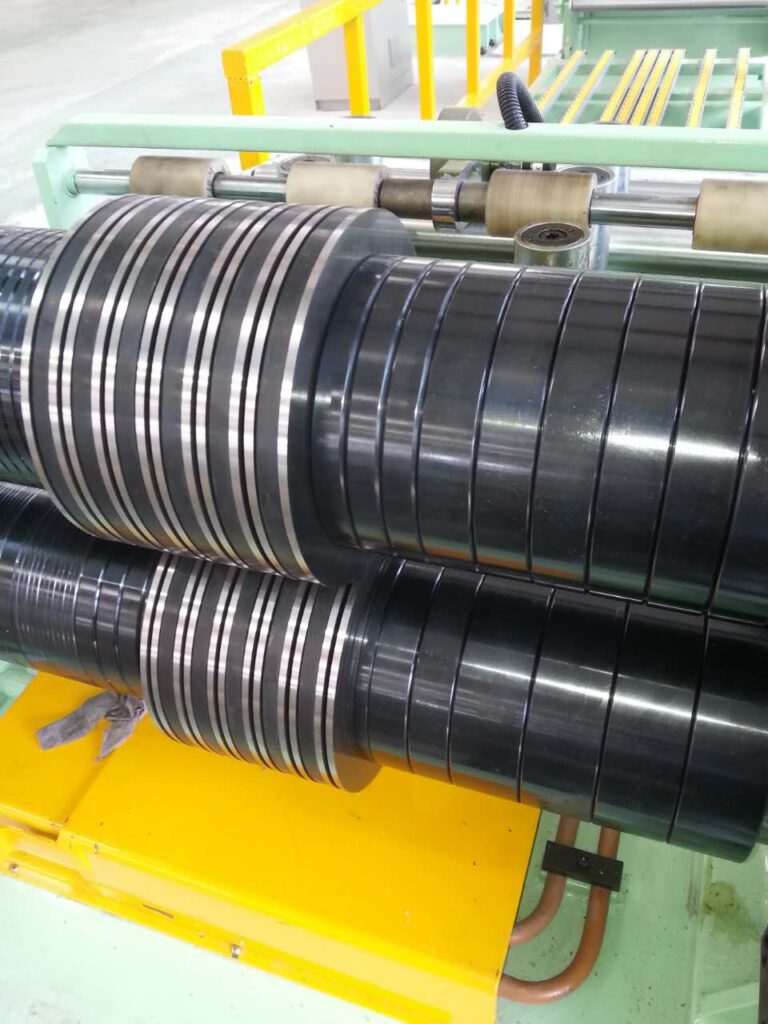
Blade Material and Edge Geometry Must Be Reviewed Together
Tool steel, high-speed steel, carbide or other material directions may be considered depending on wear, impact, machine stability and maintenance conditions. The suitable material grade, heat-treatment requirement, edge profile and tolerances must be confirmed for the actual application. Hardness alone does not decide blade life.
Why Do Stainless Steel Slitting Cuts Produce Burrs?
Burrs and rough edges can be related to blade wear, clearance, alignment, knife position, spacer arrangement, shaft condition, material condition or machine stability. Record where the burr appears and whether it changes across the coil or during the production cycle. Include photos of the finished edge and current blade in the RFQ.
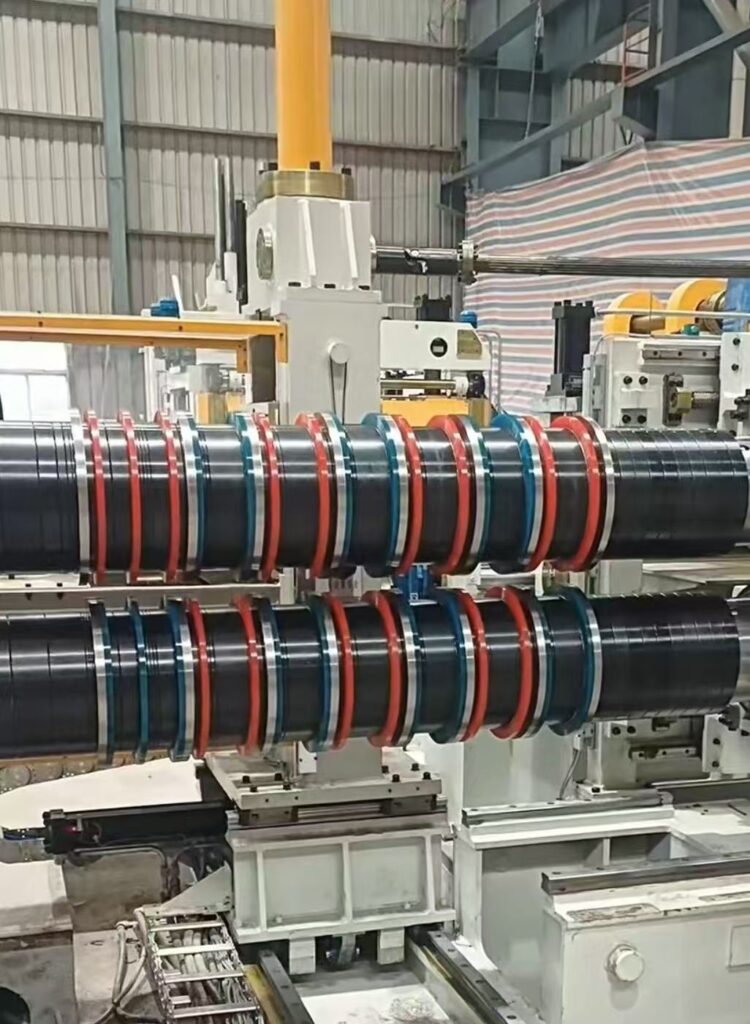
What Should a Stainless Steel Slitting RFQ Include?
- Blade drawing, CAD file, available dimensions or worn sample
- Machine or slitting-line information and blade position
- Stainless-steel material description and strip condition
- Current cutting problem, such as burrs, uneven edges or short blade life
- Knife and spacer arrangement, if the tools work as a set
- Required quantity and repeat-order context, if known
See industrial slitting blades, longitudinal slitting blades and slitting spacers for related application information.
Frequently Asked Questions
Can stainless steel slitting blades be made from a worn sample?
A worn sample can be used as a reference, but the final specification should be checked against the machine, material and cutting task.
Should I choose a blade only by hardness?
No. Wear, toughness, edge geometry, machine stability, clearance and maintenance also affect the result.
What causes uneven stainless-steel strip edges?
Possible factors include blade condition, alignment, clearance, tooling fit, material condition and machine stability. The complete setup should be reviewed.
Need a stainless-steel coil slitting blade review? Send your drawing, sample and machine information for a technical quotation.