
Plastic crusher and granulator machines commonly use rotating and fixed cutting elements that work together. When a recycling plant orders a replacement, it must identify whether the requirement is for a rotor blade, fixed blade or a matched set. The correct choice depends on the machine design, plastic feedstock and wear condition.
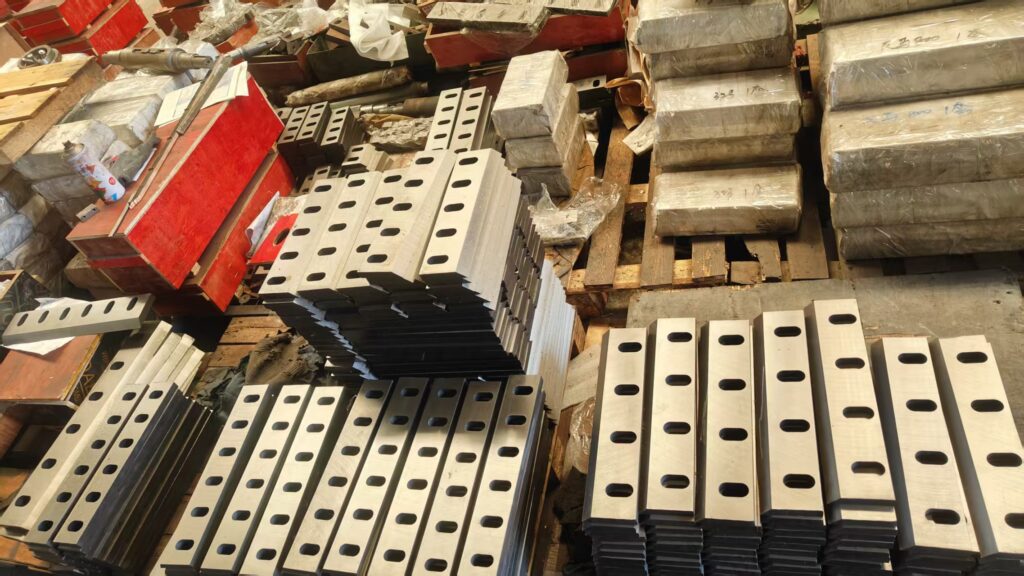
What Is a Rotor Blade?
A rotor blade is mounted on the rotating assembly and works against a fixed knife or cutting surface. Its geometry, mounting features and relationship with the rotor determine how the material enters the cutting zone. The exact design must be confirmed from the machine and current blade information.
What Is a Fixed Blade?
A fixed blade is mounted to the machine frame or cutting chamber. It works with the rotor knives and requires the correct position, clearance and mounting arrangement. A fixed blade should not be selected by length alone because the machine relationship is critical.
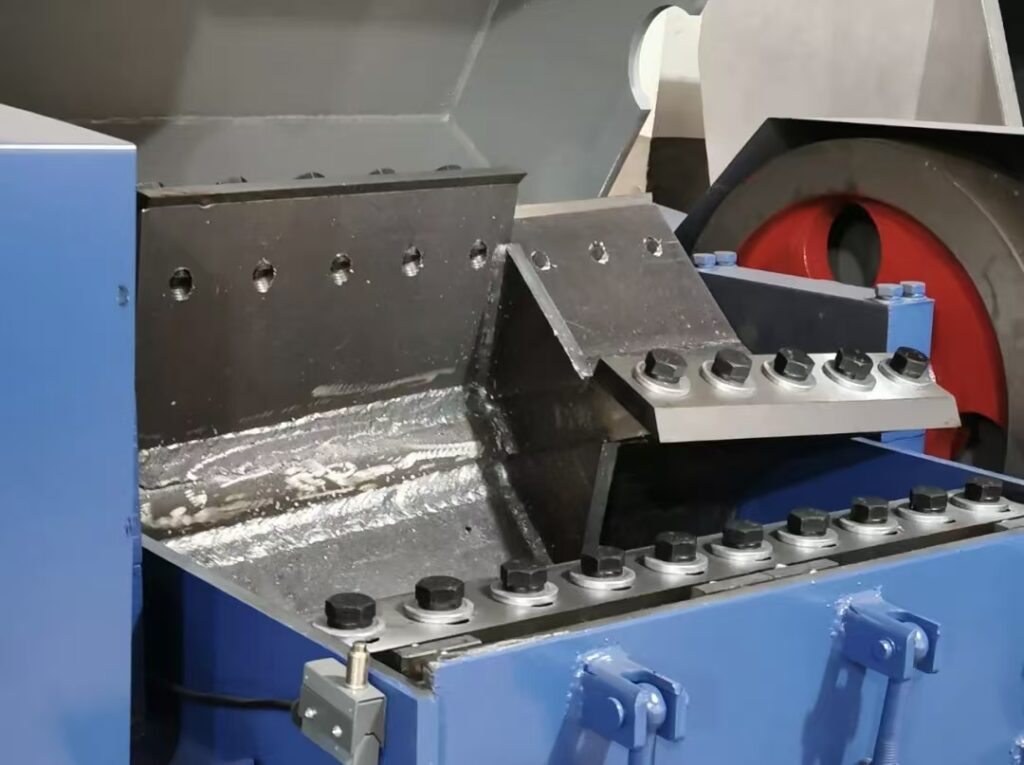
Rotor Blade vs Fixed Blade: What Should Buyers Compare?
| Factor | Rotor blade | Fixed blade |
|---|---|---|
| Position | Mounted on the rotating assembly | Mounted in a fixed machine position |
| Key review | Rotor mounting, balance and cutting relationship | Holder, clearance and relationship with rotor knives |
| Wear symptoms | Edge wear, chipping, vibration or uneven cutting | Uneven wear, poor engagement or rough size reduction |
| RFQ information | Rotor drawing, sample, mounting and machine data | Holder drawing, sample, clearance and machine data |
How Plastic Material and Contamination Affect Blade Wear
Plastic type, feed condition, contamination, hard inclusions, vibration, alignment and clearance may influence wear. Record whether the problem is dulling, chipping, uneven wear, noise, vibration or reduced size-reduction performance.
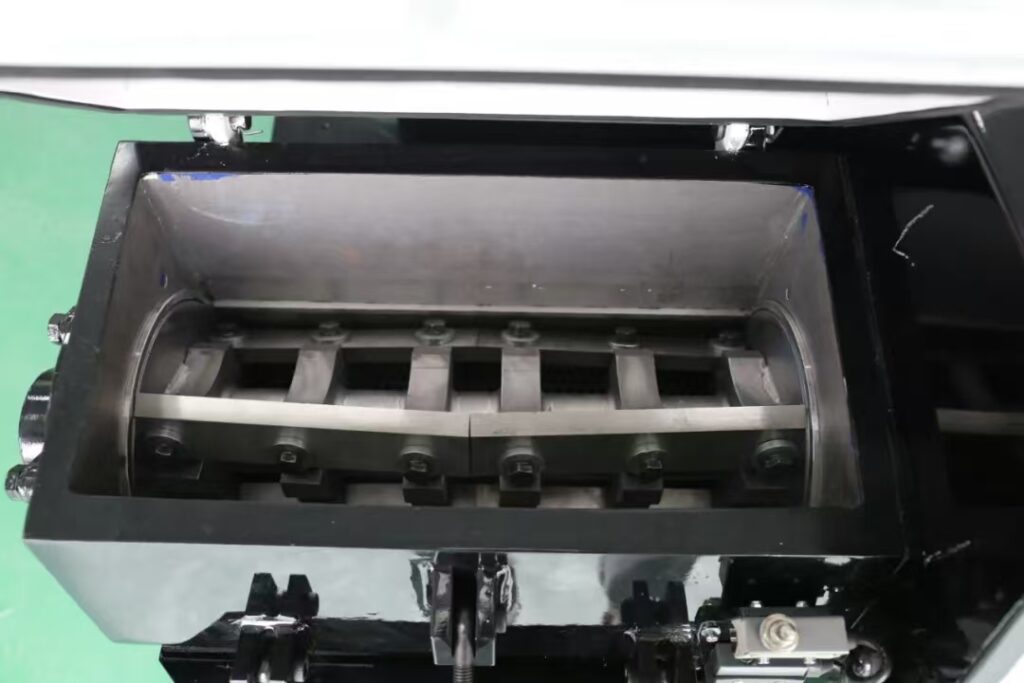
What to Send for a Plastic Crusher Blade RFQ
- Crusher or granulator model and blade position
- Rotor or fixed blade drawing, worn sample or photographs
- Plastic material and feed condition
- Mounting holes, holder and clearance information when available
- Wear pattern and current production problem
- Quantity and whether rotor/fixed blades are needed together
See plastic crusher blades for recycling equipment, plastic crusher blade and custom industrial blades.
Frequently Asked Questions
Should rotor and fixed blades be replaced together?
Not always. The replacement scope depends on the wear condition and the machine arrangement. Review both components when they work as a cutting pair.
Can a fixed blade be used as a rotor blade?
No assumption should be made. Position, mounting and geometry must be confirmed for the specific machine.
What causes plastic crusher blade chipping?
Impact, contamination, vibration, clearance, alignment, material condition and edge geometry may contribute.
Need help identifying a rotor or fixed blade? Send the sample, photos and machine information for a technical review.
Bed Knives and Pelletizer Knives for Plastic Processing
In plastic recycling and plastic production, buyers may search for bed knives, fixed knives, pelletizer knives or granulator blades depending on the machine and process. These names describe different positions or applications, so the final knife type must be confirmed against the equipment, holder, rotor arrangement and cutting task.
What Is a Bed Knife?
A bed knife is a fixed cutting element positioned against a rotating knife or rotor in selected plastic processing equipment. Mounting, clearance, edge geometry and the relationship with the rotor must be checked before ordering a replacement.
When Are Pelletizer Knives Used?
Pelletizer knives are used in specified plastic processing and pelletizing applications. The required knife geometry depends on the equipment, material condition and cutting arrangement. Do not select a pelletizer knife by name alone; send the drawing, sample or machine information for review.
Plastic Recycling Buyer Checklist
- Equipment type and model, if available
- Rotor, fixed or bed-knife position
- Drawing, worn sample or clear photographs
- Plastic type, feed condition and contamination risk
- Mounting holes, holder and clearance information
- Wear pattern, chipping, vibration or uneven cutting problem
- Required quantity and repeat-order context
See the plastic crusher blades for recycling equipment page and the plastic crusher blade product for related application information. Equipment manufacturers can also review custom industrial blades made to drawing or sample.
Common Problems With Rotor, Fixed and Bed Knives
Chipping, rapid dulling, uneven wear, vibration and poor size reduction may result from contamination, impact, clearance, alignment, mounting, material condition or unsuitable edge geometry. Photograph the knife edge, installed position and processed material before requesting a technical review.
Frequently Asked Questions
Are bed knives and fixed knives the same?
The terms may be used differently by equipment makers. Confirm the machine position, holder and current sample before choosing a replacement.
Should rotor and bed knives be replaced as a set?
Not always. The correct scope depends on wear condition, clearance, machine arrangement and the relationship between the cutting elements.
Can you make a pelletizer knife from a drawing?
A drawing, sample or machine information can start the review. Final dimensions, material and edge geometry are confirmed for the actual application.
What should an equipment manufacturer include in an RFQ?
Include the drawing, machine position, mounting details, cutting material, quantity, edge profile and any repeat-order or inspection requirement.
Need a plastic processing knife review? Send your drawing, worn sample and machine information for a technical quotation.