
Circular and rotary slitter blades are used when a machine must cut a moving web, sheet, coil or roll continuously. The right knife is not selected by the word “circular” alone. Outside diameter, bore, thickness, edge profile, knife arrangement, material and machine fit all affect the result. A blade that looks suitable may still create burrs, dust, tearing or uneven cuts if it does not match the cutting station.
This guide explains the difference between circular slitter blades and rotary slitter blades, when each description may be used, and what information to prepare for a technical quotation. Baitian Blade is a source factory that can review highly customized slitter-blade requirements from drawings, CAD files, worn samples and machine data.
What Is a Circular Slitter Blade?
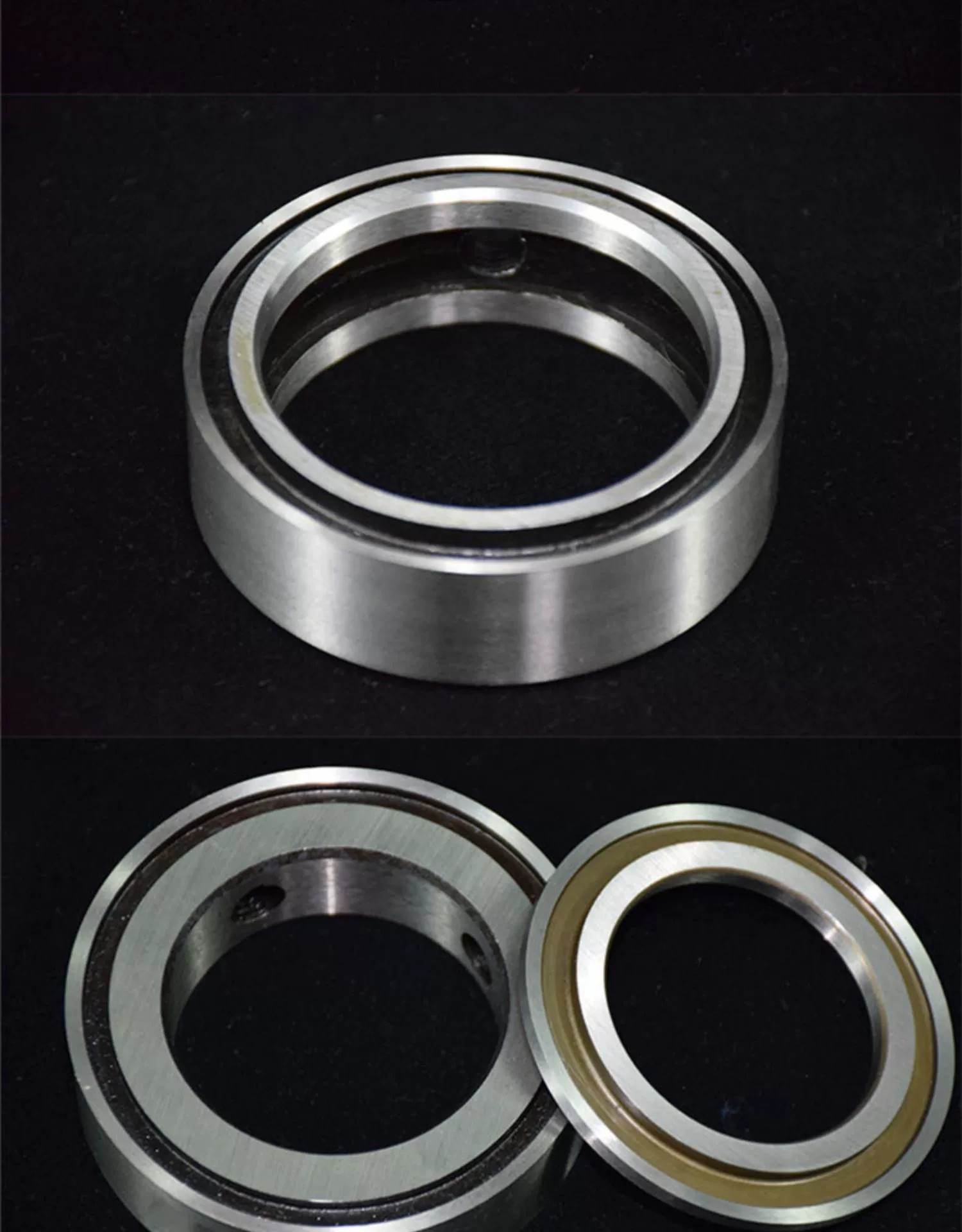
A circular slitter blade is a round cutting tool designed to rotate or work in a circular knife arrangement. It may be used for paper, carton, film, foil, metal strip, packaging materials or other continuous cutting applications. The term usually describes the blade shape, but the complete cutting system also includes the shaft, holders, spacers, mating knives and machine settings.
For a circular blade, the outside diameter, bore, thickness and edge bevel must fit the shaft and cutting unit. Some applications use a single knife; others use matched upper and lower knives or a knife-and-spacer set. A circular knife may also be produced as a ring or as a special profile for a particular converting line.
When requesting a circular slitter blade, provide the material, machine model, blade location and the existing dimensions. The application determines whether a particular edge geometry and material are suitable. It is also important to state whether the blade works alone, against a mating knife or as part of a knife-and-spacer set, because that relationship affects the final specification.
What Is a Rotary Slitter Blade?
A rotary slitter blade is a blade used in a rotating cutting process. In many industrial discussions, “circular slitter blade” and “rotary slitter blade” overlap because both can refer to round knives used on rotating equipment. The more useful distinction is the machine action and cutting arrangement rather than the label.
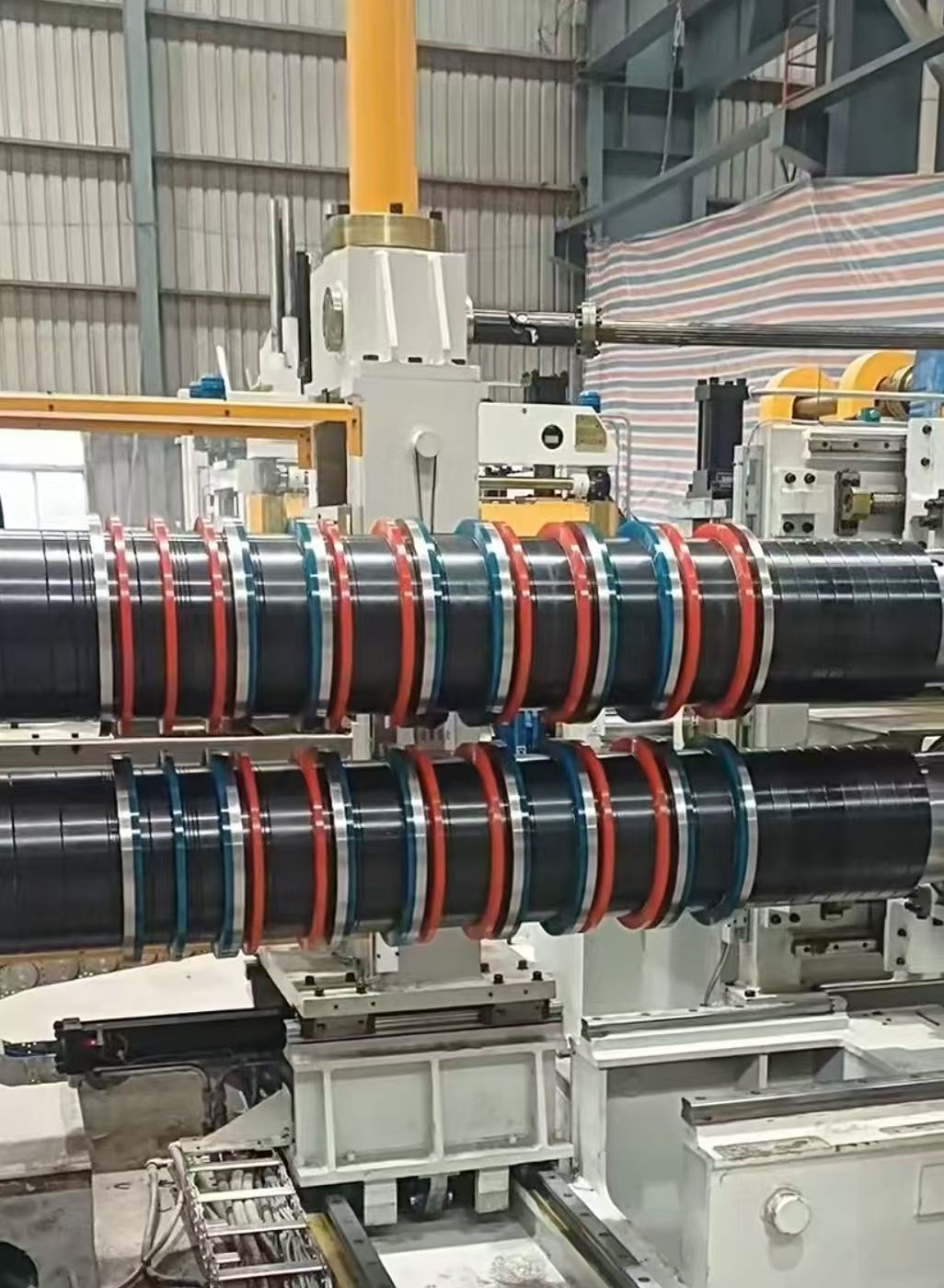
Rotary slitting can be used for continuous webs and sheets where the material moves through the machine while the knife rotates. Paper, film, foil, metal strip and packaging materials may require different blade designs even when the machine action is described as rotary slitting. A rotary slitter knife must match the shaft, holder, mating knife, clearance and line condition.
For this reason, a supplier should not quote only from the phrase “rotary slitter blades.” Ask for the drawing, worn sample, machine information and the material being cut. This enables a source factory to confirm the production specification instead of supplying a generic round blade.
Circular Slitting vs Straight-Knife Cutting
Circular and rotary slitter blades are generally considered for continuous or rotary cutting, while straight knives are often used for linear, intermittent or shear-cutting operations. The correct choice depends on the equipment. A web-converting line may need a rotating knife pair, while a trimming station may use a straight blade held in a fixed knife block.
Circular slitting can support continuous processing where the web, sheet or strip travels through the machine. Straight-knife cutting can be suitable where the blade moves linearly or the material is cut in separate strokes. Neither configuration is automatically better. The machine design, material structure, required edge quality and production speed determine the suitable arrangement.
If you are replacing an existing blade, start by identifying how it works in the machine. Note whether the knife rotates, whether it contacts a mating knife, whether spacers set the gap and whether the cut is continuous. This description is more useful than choosing a product based on a similar photograph.
How Material and Line Speed Affect Blade Selection
Material properties influence the edge profile, blade material and service condition. Paper and carton converting may require attention to dust, tearing and edge appearance. Film and flexible packaging may require a profile that produces a stable cut without pulling or stretching the web. Aluminum foil, copper foil and metal strip require consideration of thickness, hardness, line speed and the required strip edge.
Line speed and cutting pressure also affect wear. A blade that works in a low-speed application may not perform the same way at a higher speed or with a different clearance. Abrasive contamination, adhesive build-up, corrosion and impact can shorten service life. When reporting a problem, include the material, speed range, current blade life and the visible wear pattern.
Baitian Blade reviews the actual application before confirming material and geometry. As a source factory, we can discuss non-standard dimensions, edge profiles and materials when the machine requires a customized slitter blade rather than a catalogue replacement.
Bore, Outside Diameter, Thickness and Edge Profile
The four basic dimensions for a circular slitter blade are often the outside diameter, bore, thickness and edge profile. The bore must fit the shaft or holder. The outside diameter affects the cutting position and available edge life. Thickness influences the knife arrangement, rigidity and spacer relationship. The edge profile and bevel affect how the blade enters and leaves the material.
Also check keyways, slots, mounting holes, locating surfaces and any matched knife arrangement. A circular knife may be installed with spacers, a pressure ring, a clamp or a specific orientation. The blade drawing should identify these features and any important tolerances.
If you do not have a complete drawing, send the worn blade with clear measurements and photographs of the installed position. Include a photo of the finished cut. The manufacturer can then identify which dimensions require confirmation before production. For older machines, note any keyway, locating shoulder or spacer sequence that affects how the blade is installed; these details are easy to miss in a front-facing product photograph.
Common Problems: Burrs, Dust, Tearing and Uneven Cuts
Burrs on metal strip may relate to blade condition, clearance, alignment, edge geometry, material properties or the interaction between upper and lower knives. Dust in paper or board converting may relate to a worn edge, unsuitable geometry, machine alignment or the material itself. Tearing in film or packaging may involve web tension, blade sharpness, edge profile and cutting setup.
Uneven cuts can also result from an incorrect bore, runout, mounting problem, damaged spacer, shaft condition or unequal knife pressure. Replacing the visible blade without checking the cutting pair and machine fit may not solve the problem. Describe when the defect appears, which side of the cut shows it and how long the blade has been in service.
A useful review should connect the symptom to the machine condition. Send the current blade, installation photos and finished-cut photos rather than only the product name. This helps distinguish a blade-design problem from an installation or process problem.
When to Request a Custom Slitter Blade
Custom slitter blades are appropriate when the required diameter, bore, thickness, holes, slots, bevel or material does not match a standard item. Custom work may also be necessary when a replacement must fit an older machine, a special knife-and-spacer set or a non-standard cutting station.
Baitian Blade is a source factory and accepts a high degree of customization when the requirement is technically defined. This does not mean that every request can be confirmed without review. It means the discussion can start from the actual drawing, sample, machine arrangement and cutting problem instead of being limited to a fixed catalogue.
For continuous cutting, see our slitter blades for industrial cutting. For metal coil applications, review the longitudinal slitting blade for metal coil processing. For paperboard converting, see the carton slitting blade for paperboard converting. If the required dimensions or edge profile are not standard, send the drawing or worn sample to our source factory for a technical review before selecting a catalogue equivalent.
FAQ About Circular and Rotary Slitter Blades
Are circular slitter blades and rotary slitter blades the same?
The terms often overlap because both can describe round knives used in a rotating cutting system. The important information is the machine action, blade arrangement, material, dimensions and required cut quality.
What information is needed for a slitter-blade quotation?
Provide the machine model, material, blade position, outside diameter, bore, thickness, edge profile, quantity, drawing or worn sample and photos of the current cut. A description of burrs, dust, tearing or uneven cutting is also useful.
Can a source factory make a non-standard slitter blade?
A source factory can review non-standard dimensions, materials and edge profiles when the drawing, sample or machine information is available. The final production scope must be confirmed against the technical requirement.
Need a circular or rotary slitter blade? Send the material, machine model, bore, outside diameter and current cut problem through our quotation form for a technical review.