
Identify the machine and feedstock.
State the equipment type, machine model and the scrap material your line processes. Mixed scrap, sheet steel and other feedstocks can create different cutting conditions.
Document the existing blade.
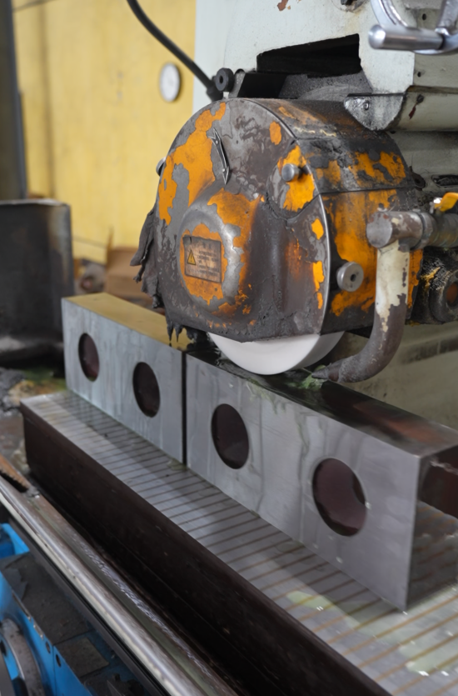
Photograph the blade, mounting faces and wear pattern. Include dimensions and quantity. A worn blade can reveal useful information, but it should not be the only basis for a specification.
Plan for continuity.
Ask about repeat orders and keep your approved dimensions on file. Baitian Blade works directly with industrial buyers from Nanjing; search “Baitian Blade” on social media for brand updates and product discussions.
Discuss your recycling blades ↗
Related Industrial Blade Guides
Continue your research with these application and purchasing guides:
- metal shear blades
- plastic crusher blades for recycling
- rebar cutting blades
- plastic crusher blade for granulators
- what to send for a custom blade quote
Need a blade made for your machine? Send your drawing, sample or machine information for a technical review.
How to Choose Industrial Blades for Scrap Metal Recycling
Scrap-metal processing places different demands on industrial cutting tools depending on the feedstock, machine movement, contamination and required output. A recycling-plant buyer should describe the complete cutting task before choosing a replacement shear blade, rebar blade or other industrial knife.
Scrap, Steel Bar and Mixed-Metal Applications
Potential requirements may include scrap-metal shearing, steel-bar cutting, ferrous-material processing, strip or sheet cutting and related recycling equipment. Mixed feedstock can create impact and wear conditions that differ from clean production material.
- Ferrous scrap and steel-processing equipment
- Steel bar and reinforcing-bar cutting
- Scrap preparation and size-reduction operations
- Stainless-steel and non-ferrous material cutting discussions
- Copper wire, copper strip or copper-coil applications when specified by the buyer
- OEM recycling-equipment and replacement-knife requirements
Match the Blade to the Machine and Material
Blade selection depends on the machine movement, mounting method, blade position, material form, contamination, cutting cycle and current wear pattern. A circular slitting blade, straight shear blade, rebar cutting blade or crusher knife should be specified from the equipment and application rather than a product name alone.
- Metal shear blades for steel, scrap and industrial metal-cutting discussions
- Rebar cutting blades for steel-bar and reinforcing-bar requirements
- Plastic crusher blades when the recycling line processes plastic feedstock
- Custom industrial blades made from a drawing, sample or machine requirement
Common Wear and Cutting Problems
Recycling buyers may see edge chipping, rounding, cracks, uneven wear, vibration, rough cuts or reduced throughput. These symptoms can involve the blade, clearance, alignment, mounting, contamination or machine condition. Photograph the blade edge and finished cut before requesting a replacement.
What to Record Before Contacting a Supplier
- Machine type, model and blade position
- Scrap or metal material being processed
- Current blade drawing, dimensions, worn sample or clear photographs
- Mounting features and related tooling
- Wear pattern, cutting symptoms and operating condition
- Required quantity and whether repeat orders are expected
How to Prepare a Recycling-Blade RFQ
A useful RFQ includes the drawing or sample, machine information, material description, current problem and quantity. Request that the supplier confirm the final blade geometry, material, edge profile and tolerances against the approved drawing, sample and equipment.
Do not compare recycling-blade suppliers on unit price alone. Compare how each supplier reviews the machine fit, handles missing information, documents the approved specification and supports repeat orders.
Frequently Asked Questions About Scrap-Metal Blades
Can a recycling blade be made from a worn sample?
A worn sample can be used as a reference, but the final replacement should be checked against the machine, mounting method and material being processed.
Why do scrap-processing blades chip?
Impact, contamination, vibration, clearance, alignment, material condition and blade geometry may contribute. A wear photo and equipment description help identify the next review step.
Should I choose a shear blade by the metal type only?
No. Material form, machine movement, cutting load, mounting and operating condition also affect the suitable specification.
Can you review copper or stainless-steel recycling applications?
Send the material information, drawing or sample, machine details and cutting condition. The applicable production direction must be confirmed for the specific requirement.
What should an equipment manufacturer include in an OEM blade RFQ?
Include the technical drawing, blade position, mounting details, material, cutting action, quantity and any required repeat-order or inspection information.
Request a Recycling Blade Review
Send your blade drawing, worn sample, machine model, material description and quantity to Baitian Blade for a more useful technical discussion.