
Ordering custom industrial knives is usually more reliable when the buyer starts with the machine and cutting problem rather than a generic product name. A drawing, CAD file, worn sample, machine model, material description and finished-cut photo can help a manufacturer confirm the correct dimensions and edge geometry.
A standard catalogue knife may be unsuitable when the machine has a special mounting pattern, the original part is discontinued, or the application requires a different material or profile. Baitian Blade is a source factory for industrial cutting tools. Although a factory website cannot show every possible special knife, the production discussion can begin from the customer’s drawing, sample or equipment information and accommodate a high degree of customization when the requirement is technically defined.
When a Standard Industrial Knife Is Not Enough
A standard industrial knife may not fit when the outside diameter, bore, thickness, length, mounting holes, slots or edge profile differs from common sizes. A replacement may also need to match an older machine, a special knife holder, a matched knife-and-spacer arrangement or a particular cutting material.
Common reasons to request a custom knife include repeated premature wear, chipped edges, burrs, dust, tearing, an incorrect cut width, difficulty sourcing the original part or a need to improve the service condition. The correct solution may involve a dimensional change, a different material, a revised edge geometry or a more accurate review of the machine arrangement.
Customization should not mean changing specifications without evidence. The manufacturer should identify what is known, what is measured from the sample and what still needs confirmation. A clear review process reduces the risk of producing a blade that matches an old worn shape but does not fit the equipment correctly.
Drawing, CAD File or Worn Sample: What Can You Send?
A complete drawing is the most direct starting point because it can show dimensions, tolerances, holes, slots, edge geometry and material requirements. A CAD or PDF file is useful when the blade must be reproduced accurately or supplied repeatedly. Include revision information if the drawing has changed over time.
If there is no drawing, send a worn sample, clear photographs and available measurements. Photograph both sides of the blade, the edge, the mounting features and the installed position. Add a ruler or measurement reference where possible, but do not rely on a photograph for critical tolerances. If the sample has been sharpened, chipped, bent or heavily worn, identify the affected areas.
Machine information can help fill gaps. Provide the machine model, blade location, shaft or holder arrangement, material being cut and current cutting problem. Photos of the finished cut can show whether the issue is burrs, dust, tearing, uneven cutting or another process symptom.
The Technical Details a Manufacturer Must Confirm
Before production, confirm the dimensions that control machine fit and cutting performance. Depending on the knife type, these may include outside diameter, inside diameter or bore, length, width, thickness, hole positions, slot shape, keyway, mounting surface, edge bevel, tooth profile and tolerances.
Also confirm the material, hardness or heat-treatment requirement when it is known, along with any coating, surface finish, flatness, runout or inspection requirement. For a circular slitter blade, the shaft, bore, spacer and mating-knife relationship may be important. For a straight machine knife, the holder, locating edge and bolt pattern may control the replacement.
Do not copy every dimension from a worn blade without review. Wear can change the edge, outside diameter, thickness at the cutting area and the apparent cutting angle. The original drawing, machine fit and cutting task should be considered together before the final specification is approved. When the application is safety-critical or the blade works at high speed, identify the inspection and approval points before production rather than treating them as an afterthought.
How Material and Edge Geometry Are Selected
Material selection depends on the workpiece and service condition. Paperboard, film, foil, metal strip, plastic recycling material and other industrial materials place different demands on the knife. Hardness, impact, abrasiveness, contamination, line speed, corrosion and sharpening practice may all affect the suitable grade.
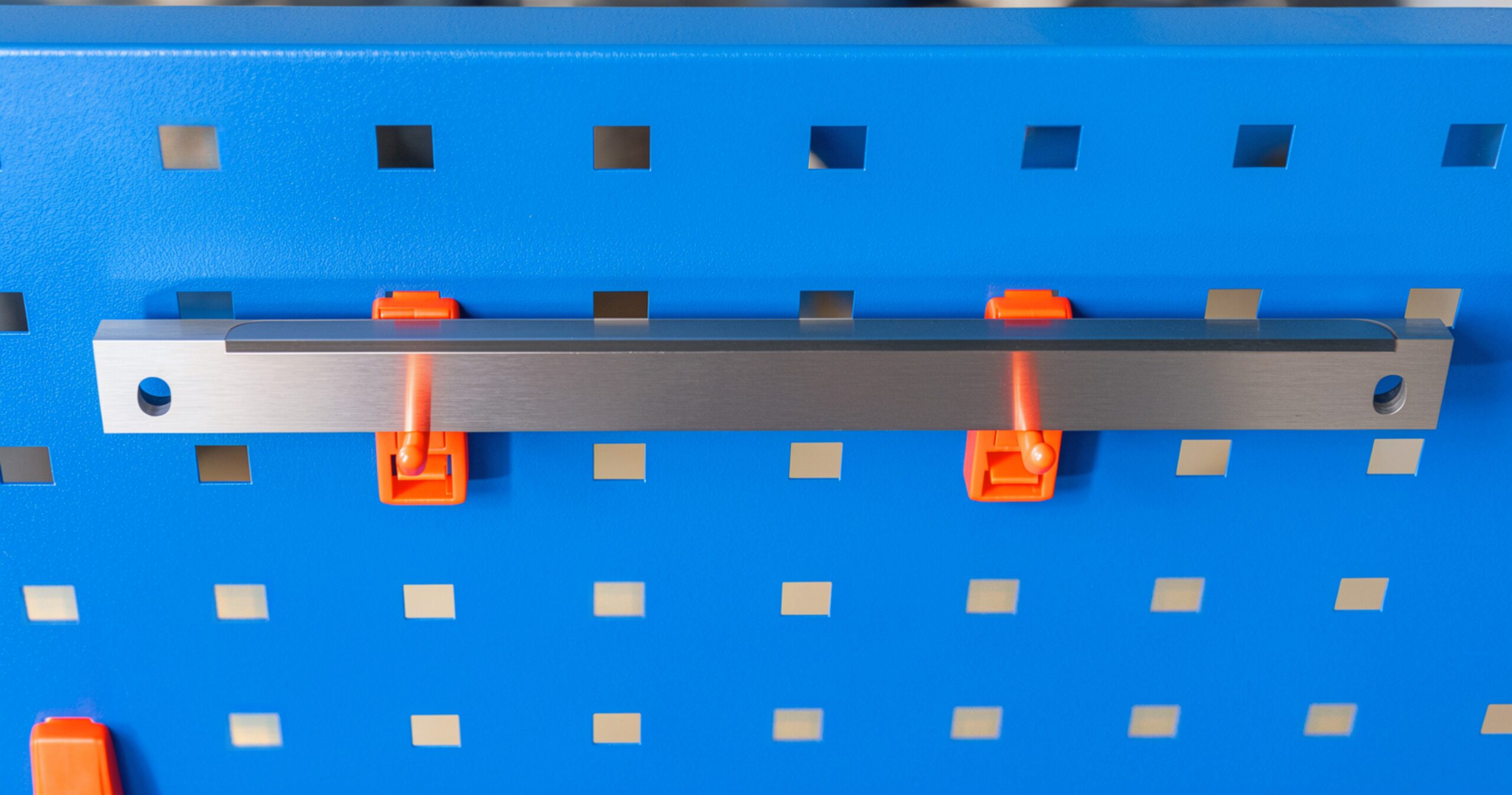
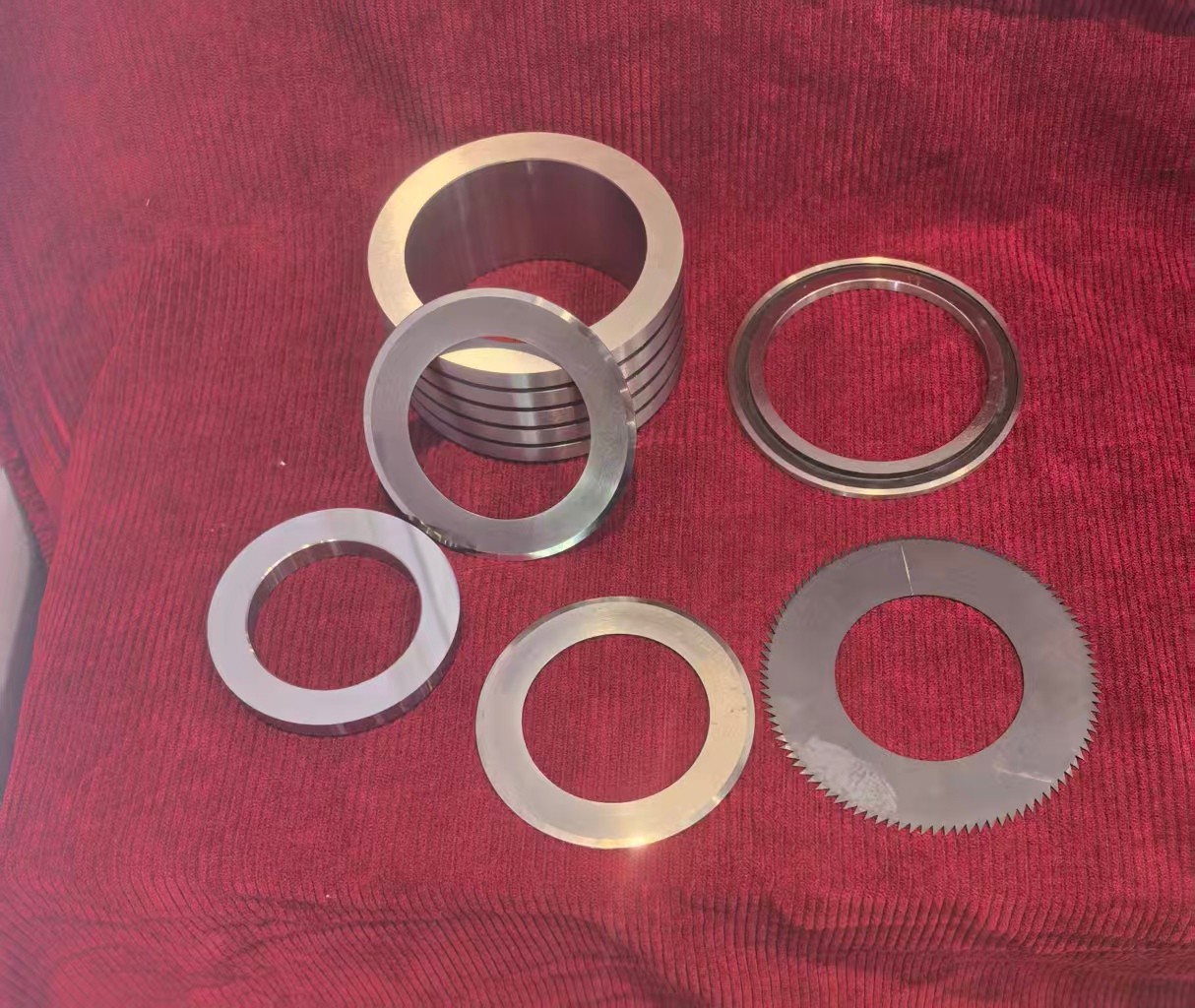
Edge geometry should also match the cutting action. Straight, circular, serrated, shear and slitter configurations are not interchangeable simply because they have a similar outline. A toothed edge may suit a packaging application, while a continuous metal slitting line may require a precision circular blade with a specified bevel and bore. A plastic granulator knife must be reviewed with the rotor, fixed knife and cutting clearance.
As a source factory, Baitian Blade can discuss customized materials, dimensions and edge profiles when the application supports them. The practical route is to provide the technical evidence first, then confirm what can be manufactured and inspected. This approach is especially useful when the website cannot display every special configuration: the requirement is evaluated from the customer’s actual machine and drawing rather than limited to the options shown in a catalogue.
How to Review a Custom Knife Specification
Before placing an order, ask for a written specification that matches the approved drawing or sample. The document should identify the blade type, key dimensions, material, edge geometry, quantity, tolerance and inspection points. Any unclear or unmeasurable detail should be listed as an open point rather than silently assumed.
Check that the specification describes the actual machine position and not only the replacement part name. For a matched set, confirm whether the knife, spacer, holder or mating component is included. For a repeat order, record the approved revision and the reference sample so future production does not restart from an uncertain measurement.
A technical review is also the right time to discuss trial quantities, packaging, marking, inspection photographs and the information needed for repeat orders. These details can be more valuable than a generic promise of “high quality” because they make the requirement traceable. They also give both sides a common reference if the first production sample needs a dimensional or edge review before the repeat order.
From Sample Review to Production Inspection
A practical custom-knife process can follow these steps:
- Send the drawing, CAD file, worn sample or machine information.
- Describe the material, cutting method, machine position and current problem.
- Confirm missing dimensions, mounting features, material and edge geometry.
- Review and approve the written production specification.
- Manufacture the knives to the approved requirement.
- Inspect the finished knives against the drawing or confirmed sample.
- Keep the approved specification as the reference for repeat orders.
A source factory model can make this communication more direct because the technical discussion connects to production. It does not remove the need for a clear drawing or sample; it makes it more practical to discuss non-standard requirements instead of forcing every inquiry into a fixed product category. Once the specification is approved, the same reference can support inspection, packing identification and repeat-order communication, which is important for buyers managing replacement parts across multiple machines.
What to Include in a Custom Knife RFQ
A useful RFQ should include:
- Blade type and machine model;
- Blade position and mounting method;
- Material being cut and thickness or structure;
- Drawing, CAD file, worn sample or clear photographs;
- Outside diameter, bore, length, width, thickness and hole or slot details;
- Edge profile, bevel, tooth pattern or cutting angle;
- Required material, hardness or known performance requirement;
- Quantity, trial order or repeat-order plan;
- Current cutting problem and photos of the finished cut;
- Delivery destination and any packaging or inspection requirements.
If you do not have every detail, send what is available and state what is missing. A manufacturer can then identify the next measurements instead of guessing. For an overview of custom production, see our custom industrial blades made to drawing or sample page. You can also review our custom industrial blade manufacturer page for the production discussion.
FAQ About Custom Industrial Knives
Can custom industrial knives be made from a worn sample?
A worn sample can be used as a reference when a drawing is unavailable. The manufacturer should review the sample with the machine fit, material being cut and wear pattern before confirming the final specification.
What if I only have photographs?
Clear photographs can start a technical review, especially when they show the blade, mounting position, machine model and finished cut. Critical dimensions and tolerances will usually require measurements, a sample or a drawing before production.
Is a source factory limited to catalogue products?
A source factory can discuss a wider range of customized dimensions, materials, edge profiles and mounting features when the requirement is technically defined. The final capability depends on the drawing, equipment, material and inspection requirements.
How can I reduce the risk of a wrong replacement?
Provide the machine information, cutting material, worn sample or drawing, key dimensions and current cutting symptoms. Confirm the written specification before production and keep the approved revision for repeat orders.
Need custom industrial knives made for your equipment? Send your drawing, CAD file, worn sample or machine information through our custom blade quotation form for a technical review.